 Aug 17, 2022·1 reply
 SEGA GOON
In my view there was, but it wasn't deeply entrenched (which made the revolution possible in the first place) since it was the early capitalists and landowners who were economically dominant. The contradictions between these two classes is what allowed the at time nominally weaker class, the bourgeoisie, to succeed in the first place (same as in France a few years later).
Can you elaborate on why you think there was one?
- Aug 17, 2022·1 replyLein
Can you elaborate on why you think there was one?
The bourgeoisie as a distinct political class didn't exist when America was first colonized. Even later on, the mercantilists tasked to colonize and tend the land were mostly subject to the whims of the aristocracy back in Britain, and colonial America mostly relied on trade with Britain economically, without which it couldn't have really grown the way it did. The profits of mercantilism were funnelled back to Britain via what we would today call public-private-partnerships as well as taxation. In fact, they weren't even allowed to trade with other nations, which Americans tried to circumvent via smuggling goods
Politically, Britain was spread too thin to micromanage things, so de facto self-governance spread more and more, which was one of the seeds for the revolution (no taxation without representation).
 Aug 17, 2022SEGA GOON
That's a bit anachronistic I think. The American Revolution was progressive for its time. The American bourgeoisie replaced the British feudal-aristocratic order. However, feudalism in the USA never really settled in because it was controlled by the British bourgeoisie in the first place. And of course, since it was a liberal revolution, it never got over the contradictions that private property entail, which is one of the main critiques Marx and Engels had from the beginning: Liberalism couldn't fulfill on its own promises as long as emancipation from private property didn't occur
hm yea id need to research further for their exact reasoning but i know they dont recognize the american revolution for sure which is interesting
 Aug 17, 2022SEGA GOON
In my view there was, but it wasn't deeply entrenched (which made the revolution possible in the first place) since it was the early capitalists and landowners who were economically dominant. The contradictions between these two classes is what allowed the at time nominally weaker class, the bourgeoisie, to succeed in the first place (same as in France a few years later).
There wasn't feudalism in the colonies tho unlike France, that's why I don't really consider the American revolution a bourgeois revolution in the same sense as the French revolution. It was an expansionist war of slaveholding settlers rather than a war against feudalism.
- Aug 17, 2022deadacc
i know that the PKP doesnt even recognize the american revolution as one as they say it was simply bourgeois to bourgeois
It was bourgeois to bourgeois.
American colonists just wanted more territory which the British werent willing to fund their expansion on and were nervous about the British slowly moving towards abolishing slavery. It was a reactionary war more than a progressive revolutionary one. The American civil war was actually progressive though.
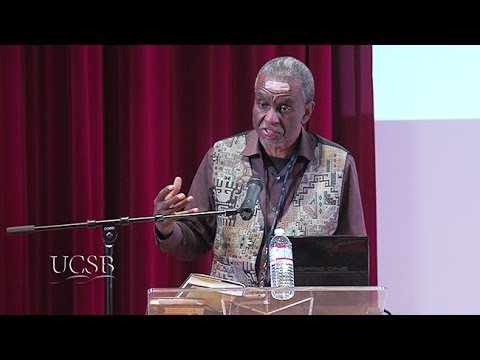
This Gerald Horne lecture (Marxist historian) for example is worth checking out on this.
- Aug 17, 2022SEGA GOON
The bourgeoisie as a distinct political class didn't exist when America was first colonized. Even later on, the mercantilists tasked to colonize and tend the land were mostly subject to the whims of the aristocracy back in Britain, and colonial America mostly relied on trade with Britain economically, without which it couldn't have really grown the way it did. The profits of mercantilism were funnelled back to Britain via what we would today call public-private-partnerships as well as taxation. In fact, they weren't even allowed to trade with other nations, which Americans tried to circumvent via smuggling goods
Politically, Britain was spread too thin to micromanage things, so de facto self-governance spread more and more, which was one of the seeds for the revolution (no taxation without representation).
I would definetely say the merchant bankers and the professionals who accompanied them were their own class. British parliament was definetely not controlled by the whims of the aristocrats back then, the whole enterprise of colonization was made possible by an Alliance between the monarch and the merchants and bankers which balanced the gentry's power. By the end of the 17th century the king was essentially a figurehead, and the bourgeois were by far the most dominant class in parliament and over the prime minister. And their interests in the colonies came in conflict with the American merchant/settler interests. Britain didn't want Americans to expand because itd take ressources away from much more profitable regions and increase protection costs in a place where they already shouldered a disproptionate amount of the tax/military burden and plunge a reliable market into war. All americans wanted more land to settle and speculate, and domestic manufacturers wanted protection from competition which they couldnt do with foreign producers setting their tarriffs. The taxation without representation stuff was pretty much just a slogan, after all the Republic would be taxing without representing most people (even most white men) for at least 50 years.
The colonies couldn't have operated with most profits being repatriated and there wouldn't have as powerful a domestic bourgeois to carry out a revolution. The British profits came from processing American raw materials instead of letting them do it themselves and dumping cheap excess goods that domestic producers couldn't compete with.
The planter class which came to dominate were happy to let that go on and resisted attempts to protect American manufacturers because they wanted cheaper/higher quality British goods.
- Aug 17, 2022

 Aug 17, 2022
Anyone interested in the recently concluded Kenyan elections from a socialist perspective, check this out
- Aug 17, 2022·3 replies

@Scratchin_Bandit what's going on with ethiopia

- Aug 17, 2022·1 replykrishna bound
@Scratchin_Bandit what's going on with ethiopia
Lmao that's definitely based on poor data then
If anything Ethiopians probably ride for Russia the hardest of all bigger African countries afaik
- Aug 17, 2022·2 repliesScratchin Mamba
Lmao that's definitely based on poor data then
If anything Ethiopians probably ride for Russia the hardest of all bigger African countries afaik
that's what i thought
 everything else seems predictable though
- Aug 17, 2022·1 replykrishna bound
that's what i thought
everything else seems predictable though Ngl i don't think any african country would have Russia as their #1 most hated country lol
As with many international surveys though they probably only reached privileged africans as well
Also check out the supporters page of who conducted the poll


- Aug 17, 2022krishna bound
that's what i thought
everything else seems predictable though  Aug 17, 2022·1 replykrishna bound
@Scratchin_Bandit what's going on with ethiopia
map would have probably more usa if it wasn't for the war in ukraine
- Aug 17, 2022Scratchin Mamba
Ngl i don't think any african country would have Russia as their #1 most hated country lol
As with many international surveys though they probably only reached privileged africans as well
Also check out the supporters page of who conducted the poll
all those orgs supporting it and they didn't mess w/ the overwhelming hatred of israel

- Aug 17, 2022·1 replyiCarly Japan2
map would have probably more usa if it wasn't for the war in ukraine
im sure USA is top 5 in a lot of these countries (esp ME lol) but nah it makes a lot of sense with israel.
- Aug 17, 2022·1 replykrishna bound
im sure USA is top 5 in a lot of these countries (esp ME lol) but nah it makes a lot of sense with israel.
israel actually surprised me

- Aug 17, 2022·2 repliesiCarly Japan2
israel actually surprised me
Nah mfs rly hate israel fr outside of the west
- Aug 17, 2022·1 replyScratchin Mamba
Nah mfs rly hate israel fr outside of the west
hate is an understatement
- Aug 17, 2022krishna bound
@Scratchin_Bandit what's going on with ethiopia
Eswatini is hilarious here
- Aug 17, 2022Scratchin Mamba
Nah mfs rly hate israel fr outside of the west
Good

 Aug 17, 2022·3 replieskrishna bound
hate is an understatement
bro whenever one of the palestine pages post when an israeli soldier kills one of their own soldiers the comments are essentially “🤣🤣🤣🤣🤣Opp pack in the air this gas or what” s*** is nuts

- Aug 17, 2022
cause they’ll be killing their own soldiers on “accident”
- Aug 17, 2022·1 replyspongebob
bro whenever one of the palestine pages post when an israeli soldier kills one of their own soldiers the comments are essentially “🤣🤣🤣🤣🤣Opp pack in the air this gas or what” s*** is nuts
King shyt
- Aug 17, 2022Scratchin Mamba
King shyt
I think one of the soldiers killed one of their own cause he suspected him of being palestinian
which doesn't even f***ing make sense but neither does apartheid of course
