
 Apr 4, 2025
 Abyss
AbyssRunaway...but with the HOOLIGANS

- Apr 4, 2025·1 reply
I get hiiiiigh

She wanna hop in a Rari
 Apr 4, 2025·1 reply
 Stankie
No, tweezers are not generally considered blades, though they share some similarities in having sharp, pointed tips, tweezers function as grasping tools rather than cutting tools.
Here's a more detailed explanation:
Definition of a Blade:
A blade is a sharp, cutting portion of a tool, weapon, or machine, designed to puncture, chop, slice, or scrape surfaces or materials.
Tweezers Function:
Tweezers are hand tools used to grab, handle, or hold small objects, often with precision and care. They are not designed for cutting or slicing.1. Form and Edge: A blade is traditionally defined as a flat, elongated piece of material, often tapered to a point or edge, capable of cutting, slicing, or precision manipulation. The arms of tweezers are typically constructed from metal or a hard synthetic, with flattened surfaces that converge to a point. While not sharpened in the conventional sense, these arms are edged—designed to meet precisely and grip objects with fine accuracy. In many cases, especially in medical, electronic, or grooming tweezers, these points are fine enough to puncture or incise soft materials, effectively mimicking the functionality of a blade.
2. Function and Precision: Blades are tools of precision—used to separate, extract, or manipulate with accuracy. Tweezers serve the same purpose. The individual arms act independently to create tension and control, applying pressure to a specific area. Each arm alone can act as a narrow, rigid lever, and when separated, each is capable of scraping, prying, or even puncturing—functions commonly associated with bladed instruments.
3. Legal and Conceptual Precedent: In contexts like airport security or weapon classification, objects not explicitly designed as weapons have been scrutinized and regulated due to their potential use. Scissors, for example, consist of two blades joined at a pivot. If separated, each piece is still considered a blade. Tweezers, built from two similar arms joined at a base, should be held to a consistent standard.
4. Intent and Perception: The design intention behind the tweezer arms is to interact with matter at a fine level. Whether grasping a hair, a splinter, or a microcomponent, the arms require the same tapered rigidity that defines many blade-like tools. In high-stakes environments—surgery, electronics, or labs—these arms are used with the same care and effect as blades, and in some cases, are even sharpened for specific procedures.
 sace 👍Apr 4, 2025·1 reply
they talking about churn rates here
 Apr 4, 2025
trash can eating good
 Apr 4, 2025sace
they talking about churn rates here
They speaking earnestly

- Apr 4, 2025·8 replies
This song is so f***ing funny dawg
- Stankie 🪑Apr 4, 2025RareHorsePonderer
1. Form and Edge: A blade is traditionally defined as a flat, elongated piece of material, often tapered to a point or edge, capable of cutting, slicing, or precision manipulation. The arms of tweezers are typically constructed from metal or a hard synthetic, with flattened surfaces that converge to a point. While not sharpened in the conventional sense, these arms are edged—designed to meet precisely and grip objects with fine accuracy. In many cases, especially in medical, electronic, or grooming tweezers, these points are fine enough to puncture or incise soft materials, effectively mimicking the functionality of a blade.
2. Function and Precision: Blades are tools of precision—used to separate, extract, or manipulate with accuracy. Tweezers serve the same purpose. The individual arms act independently to create tension and control, applying pressure to a specific area. Each arm alone can act as a narrow, rigid lever, and when separated, each is capable of scraping, prying, or even puncturing—functions commonly associated with bladed instruments.
3. Legal and Conceptual Precedent: In contexts like airport security or weapon classification, objects not explicitly designed as weapons have been scrutinized and regulated due to their potential use. Scissors, for example, consist of two blades joined at a pivot. If separated, each piece is still considered a blade. Tweezers, built from two similar arms joined at a base, should be held to a consistent standard.
4. Intent and Perception: The design intention behind the tweezer arms is to interact with matter at a fine level. Whether grasping a hair, a splinter, or a microcomponent, the arms require the same tapered rigidity that defines many blade-like tools. In high-stakes environments—surgery, electronics, or labs—these arms are used with the same care and effect as blades, and in some cases, are even sharpened for specific procedures.
Yapgpt
- sace 👍Apr 4, 2025
keep on roccin' the free world
- Stankie 🪑Apr 4, 2025·4 replies
50 word essay due by midnight
 I’m f***ed
 - Apr 4, 2025·1 replydoot doot
This song is so f***ing funny dawg
https://twitter.com/kanyestreams1/status/1907619897313464327Sounds like IGOR if it was good
 Apr 4, 2025doot doot
This song is so f***ing funny dawg
https://twitter.com/kanyestreams1/status/1907619897313464327I really don't know where she's at, I'm tracking my b**** through a app
- Apr 4, 2025doot doot
This song is so f***ing funny dawg
https://twitter.com/kanyestreams1/status/1907619897313464327Wow.
- Apr 4, 2025·1 reply
It’s going to be a classic.
- Apr 4, 2025American Patriot
Sounds like IGOR if it was good
I wouldn't be surprised if he was doing it as a Tyler parody
 Apr 4, 2025doot doot
This song is so f***ing funny dawg
https://twitter.com/kanyestreams1/status/1907619897313464327
- Apr 4, 2025·1 replyRareHorsePonderer
It’s going to be a classic.
Best beats of all time
Worst raps ever recorded
🔥
- Apr 4, 2025
Bianca I just want you to come back

 Apr 4, 2025·2 replies
mid out?
 Apr 4, 2025pussy bacon
mid out?
omg he a goon
- Illermatic 🛰️Apr 4, 2025
Average BMI of people who worked on this album is in the 50s 💔
- Apr 4, 2025·1 reply

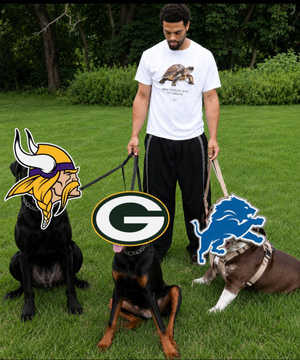 Apr 4, 2025·1 reply
Cover would be hard if it wasn’t racist
- Apr 4, 2025Abyss
- Apr 4, 2025Cody
Cover would be hard if it wasn’t racist
they removed the dog with the iphone touch up tool