 CARMEN 💜Feb 18
Animator Spotlight: Hayate Nakamura


- CARMEN 💜Feb 18·edited
All gifs in order:
Your Lie in April (2014)
Saekano: Or How I Learned to Raise a Boring Girlfriend (2015)
Three Leaves, Three Colors (2016)
Mob Psycho 100 Season 1 Episode 10 (2016)
Pokemon: Sun and Moon (2017) first cut by Akira Hamaguchi
UzaMaid! (2018) first cut by Yuusuke Yamamoto
Mob Psycho 100 Season 2 Episode 4 (2019)
My Hero Academia: Heroes Rising (2019)
Asteroid in Love (2020)
Mushoku Tensei (2021)
Ranking of Kings (2021)
Bocchi The Rock (2022)
Mob Psycho 100 Season 3 Episode 4 (2022)
Jujutsu Kaisen (2023) first cut by Daniel Kim
The Elusive Samurai (2024)
Takopi’s Original Sin (2025) ED/SB Toya Oshima - CARMEN 💜Feb 18
Happy Belated Birthday to Hayate Nakamura born February 1st, 1993. One of the more underrated artists from animation producer Shouta Umehara’s circle, Hayate Nakamura is a frequent animator within the A1 Pictures and CloverWorks circles with close ties to animators like Isao Hayashi, Megumi Kouno, Toshifumi Akai Masayuki Nonaka and mainly Akira Hamaguchi. Starting as an in-betweener at 18 years old on the Idolmaster Nakamura was able to draw heavy inspo from seniors like Kouno, and Hayashi and others. He would not move to full time key animation until Your Lie in April which gave him a strong foundation to work on lengthier scenes and pull off exaggerated character acting. Nakamura’s biggest show of force would be on Three Leaves, Three Colors one of the earliest show’s capitulated by Shouta Umehara’s production management. From there Nakamura became a character savant on shows like Saekano & Darling in the Franxx, while Mob Psycho gave him more of a chance to flex his skill as an action animator. Much like any of the key animators that frequent the A-1/CloverWorks spaces, Hayate Nakamura is a diverse and flexible animator adept and ready for any scenario.
- CARMEN 💜Feb 18
Nakamura’s early years were confined as a freelance in-betweener, for a solid 3 year period. Nakamura was a frequent member of the outsourcing crew with A-1 Pictures and worked on many series like Black Rock Shooter, Kill La Kill, and Yozakura Quartet. Nakamura’s debut KA was on World Conquest Zvezda Plot where he does a short comedic scene.
- CARMEN 💜Feb 18
Before cementing himself as a character profile animator, Nakamura had to gain a certain level of action acumen on Magi: Kingdom of Magic. This show was a fairly big outing for Nakamura’s seniors like Akira Hamaguchi, who solidified himself as a monster effects star. It is actually unknown how many episodes Nakamura was credited for on the series, but the two confirmed scenes come in the latter half of the show. Nakamura’s battle animation was fairly standard enemy punching affairs with a somewhat inconsistent combination of smears and speed lines, however, it is competently executed. On Episode 20 Nakamura is able to show off more effects, with a key scene actually showing traces of Hamaguchi’s influence. Could very well be a case of Toshifumi Akai’s corrections, but still strong animation especially the penultimate shot where the staff is shattered. From there Nakamura was handling second key animation while doing bits and pieces of KA. Shows like World Conquest Zvesda Plot and Blade Dance of the Elementalers showed minor steps in the right direction for Nakamura.
- CARMEN 💜Feb 18
Late 2014, marked Nakamura’s commitments as a character animator on Your Lie in April

Thanks to the man power of the production desk, with animation producer Yuuichi Fukushima at the helm, many of the shows episodes were able to sprawl and thrive with glorious animation. CAD Yukiko Aikei (married to director Kyouhei Ishiguro btw) maintained a high level of draftsmanship throughout and Nakamura was present at every turn. Nakamura was present for 5 of the 22 episodes, but only has scenes confirmed for 3. His best solo scene is exemplified in Episode 6. Lots of funny exaggerated faces, and well timed gags in an over 1 minute sequence.


One minor quality of this sequence that will show up in later comedic scenes with him is primary colored exclamation blobs and shapes.
Moving back to Episode 4, is the main performance section co-animated with Akira Hamaguchi and several others. While this scene may look utterly outclassed compared to the sequences touched by Kei Suezawa, it is still an undeniable achievement in performance animation even if some of Hamaguchi and Nakamura’s styles border on melting (at least in this time period). - CARMEN 💜Feb 18
Going into Winter of 2015, Nakamura appeared on a handful episodes for Idolmaster: Cinderella Girls

Nakamura wasn’t doing any big performance scenes for this series, instead small and focused slice of life moments. This presented Nakamura with an opportunity to grow in smaller ways, in regards to his art, gestural animation, among other fundamental elements. Episode 4 shows a 1 minute unbroken character acting sequence that feels pretty minor but Nakamura’s expressiveness is able to come through. Episode 19 best exemplifies Nakamura making small motions seem large and impactful to the audience. This two minute scene does not have any insane storyboarding, expressions, or even drawings, with Nakamura giving a believable picture of just two characters talking. The influence of CAD Yusuke Matsuo is incredibly prevalent here as elements of small impactful animation is well within his ballpark. - CARMEN 💜Feb 18
In the same year, Nakamura focused on some minor action animation on Gunslinger Stratos, where you see him borrow many common effects traits of Hamaguchi including loose spinning smears, and multicolored sparking effects
- CARMEN 💜Feb 18
After a minor job on One-Punch Man, and very bad hentai scene on Hantsu x Trash, Nakamura rolled smoothly into 2016 with *Three Leaves, Three Colors or Sansha Sayou


Nakamura 0:30-0:37
This is it, the official birth of Umehara’s status of a powerhouse producer. After becoming a favorable member of the production desk on Engaged to the Unidentified, it was time to bring his merry team of animators to this series for Doga Kobo. Studio vets like Enishi Oshima are present on this show and you can really feel the studio’s ethos from shows like YuriYuri and Lovelab from around this time. When you pair that with CAD Jun Yamazaki the Doga Kobo look is unavoidable. Nakamura alongside Hamaguchi were all extremely involved in the show’s production. Episode 1 is an explosive display of energetic character acting from multiple parties involved. Hamaguchi is the big player here but Nakamura would also get involved doing some very chipper acting. This episode would also acquaint Nakamura with animators like Hirofumi Okita, Yoshikuni Ono and Takumi Sunakohara with the few of these guys getting Nakamura involved in other shows. Episode 5 once again sees Nakamura getting more leeway out of incidental slice of life stuff and Episode 10 would unite him with director Shinya Iino a name that will come up later in a big way. The last episode has Nakamura’s most ridiculous character acting up to this point with a singing bit that’s very over the top. Nakamura implements more busier hair and fabric effects for this scene which wasn’t super common for him around this time, but is likely due to Hamaguchi’s supporting role as an AD. - CARMEN 💜Feb 18
In summer 2016, Nakamura and Hamaguchi both appear on Mob Psycho 100. This was a result of AD Nobuhiro Mutou bringing them onboard. Both animators handle scenes of the heroes fighting against Claw’s minions. Nakamura handles the scene where body-jumped Dimple fights against the Claw underlings with him handling an energy blast, and then easily tanking it. The entirety of the Mob Psycho series usually involves very thick smear work thanks to the methodology of CAD and CD Yoshimichi Kameda and its readily apparent here with big brushy strokes. We can start to see a small evolution in Nakamura’s energy effects, the particles are a bit more clumpier, and plays more fast and loose with shapes.
- CARMEN 💜Feb 18
Moving into 2017, we get to Saekano: How to Raise a Boring Girlfriend ♭

Now Nakamura was already involved in the first season of this show back in 2015, doing some risqué pleasure shots on Episode 6, but the only difference is two years later he had become a different animator. Nakamura had become way more confident in animating lengthy character acting scenes and safe to say the consistency of his animation had improved significantly. Take this scene from Episode 3, where he skillfully translates an emotional scene in a practical yet believable way. Nakamura then appears on Episode 10 which features a bulk of animators from Sansha Sayou with Okita, Sunakohara, and Nonaka showing up. Nakamura animates a 2 minute 30 second scene with soon to be animation superstar Masami Mori handling the first leg. You can see in Nakamura’s portion him getting more comfortable with raggedy hair movement not too dissimilar from Hamaguchi, the second to last cut being a strong indicator of his growth. - CARMEN 💜Feb 18·edited
Right around the same time Hamaguchi and Nakamura appeared as guest animators showcasing the new starter Pokemon on Sun & Moon.
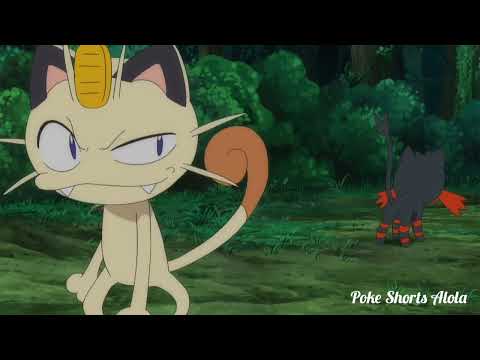
Nakamura 0:11-0:23
Love this additional cut of the three starters afterwards - CARMEN 💜Feb 18·edited·2 replies
Moving onto 2018 we get Darling in the Franxx

This show was made in participation between two studios with Trigger and the newly founded CloverWorks. This was Nakamura’s first time returning to a Atsushi Nishigori anime since his early days on The Idolmaster, and his second time working with director Noriko Takao since Idolmaster Cinderella Girls with him appearing on her episodes including 5, 16, and 22. Small character acting bits was Nakamura’s MO with Episode 5 featuring some food animation, and a comforting atmosphere.
Episode 7 is the only non Takao episode, with Nakamura joined by Hamaguchi, Sunakohara, and others. Again very subtle character scenes
Nakamura didn’t do anything to noteworthy in this series up until Episode 22 where its more about one acquaintance Nakamura would meet, that being animator Kiyoki Rikuta aka Kerorira. - CARMEN 💜Feb 18
In the fall of 2018, Nakamura went back to Umehara’s domain on UzaMaid

Once again another Umehara show with the only difference of note being the involvement of series director Masahiko Oota, Doga Kobo’s ace. Oota famously knows how to get these cartoonishly wild designs going, and when paired with Umehara’s talented team, good animation is a no brainer. Episode 1 is the busiest with some new names added to Umehara’s roster one being Doga Kobo regular Yuusuke Yamamoto (not the older director) aka Nara in his fifth year at the studio, and freelancer Takuya Niinuma who would later go on to become a God tier talent at Mappa. The episode is brimming with life thanks to Hamaguchi’s AD position. Nara and Nakamura’s scenes are relatively fun and expressive. Quite a big fan of these cuts
The real heavy hitters are Niinuma who does a crazy 3D cut and Hamaguchi goes the extra mile.Episode 6 is the second busiest, with Nakamura doing an over the top character acting bit
This again could be from Hamaguchi’s influence but I like how Nakamura adds thick brush strokes to the scene like he did in mob, and the character bubble bits have a surprising amount of squash and stretch.
- CARMEN 💜Feb 18
Coming into 2019, Hamaguchi showed out as a diligent animator on Mob Psycho 100 Season 2. This season upped the stakes by leaning heavier into psychic battles, giving Nakamura not only double as an action animator, but an AD too. First we get Episode 4, which has Nakamura doing a very pivotal effects heavy scene Very thick and goopy wind drawings, and we also see him draw a pretty tricky background shot with Mob tossing the energy at Koyama’s essence.
- CARMEN 💜Feb 18
As the season went on Nakamura was finally assigned his first animation director position on Episode 10, brought on by Katsuya Shigehara from the previous season. Given Nakamura’s more practical approach to animation seeing him helm a somewhat movement heavy episode. Storyboards for this episode were handled by Shigehara, so it’s not exactly high priority in terms of sakuga but with Nakamura involved its a bit of a different story.
The episode opens with Nara handling Claw minions forming a wall of buildings around their base of operations with multiple explosion effects, not too animation heavy outside of that. As the Ultimate 5 setup a perimeter, Reigen issues an strike on the tower with Teruki using hovering police cars as a distraction. Several minions notice and destroy the cars with uncredited explosions by Sunakohara. Shou’s group of friends fight Minegishi a plant psychic with animation by Tomoki Yoshikawa who was a relative newcomer around the time, but was already showing sufficient promise. Nakamura finally comes in with a small conversation scene with Toichirou the leader of Claw explaining his lofty goals for world domination.
The real meat of this episode comes where Reigen and Dimple flee from infiltrating Claw henchmen.
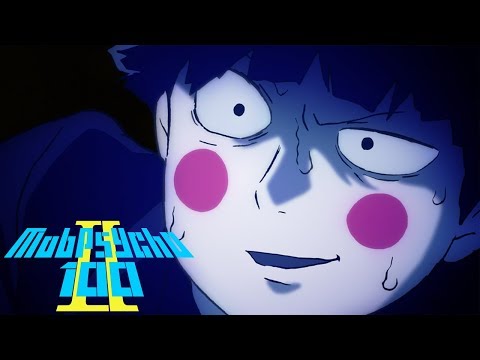
Nakamura 1:32-end
The rest are promptly knocked out by Reigen’s sleeping agent, but a final agent named Shibata powers up to fight. The scene opens with Hamaguchi’s usually brisky and even character acting with a perfect blend of everything
The brush strokes at the end are a nice touch. The next scene is Hirofumi Okita showing off some nice running animation through Reigen and a crazy background cut
Yoshikuni Ono then handles the next cuts with Dimple inhabiting Mob’s body and making a last ditch effort to damage Shibata, all resulting in a hilarious shot of him thrown across a room. Dimple unable to beat the guy then flees drawing Shibata away from Reigen, where Nakamura comes in and does a nice background shot of Shibata crushing the building in a free fall. - CARMEN 💜Feb 18
Nakamura animates the proceeding cuts in a cut away gag of Mob’s school friends being hyped over a mobile game instead of helping . Once again you can see those exclamation shapes Nakamura is a fan of.

Noriyuki Imaoka aka Eel handles a scene of lower Claw henchmen ready to take on Teruki and the other heroes (funnily they get destroyed the next episode). Katsuya Yoshii does a short scene of Shou’s friends bested by Minegishi, and the first wave of heroes confronted by Shimazaki. Kerorira handles the scene of Dimple getting punched by Shibata in a crowd, with Nara following it up with Mob’s body falling. - CARMEN 💜Feb 18
The final fight of the episode between Shibata and the Body Improvement Club is handled entirely by modern legend Toshiyuki Sato in an almost 4 MINUTE LONG SCENE
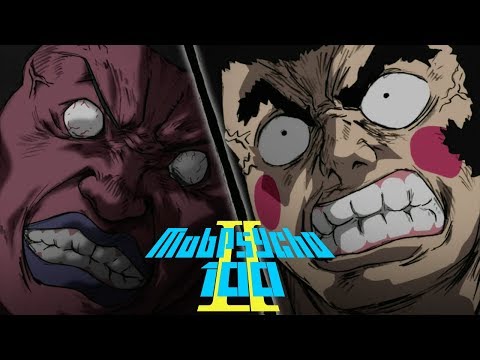
Sato’s knack as a Kanada school vet pays dividends here as you can see him animate to the fullest of his abilities here, and he is perfectly adapted for this show’s style. Nakamura handles some minor character acting at the end
Overall an incredibly successful debut for Nakamura as an AD bringing out a lot of charm in the comedic, emotional, and action oriented aspects to boot. - CARMEN 💜Feb 18
Nakamura was not done with Mob Psycho quite yet. The First Spirits and Such Company Trip is a very sweet OVA released later in the summer.

This entire episode is about small moments between the show’s characters, nothing flashy all fun. Newest member of the group Serizawa is invited with Reigen, Teru, Ritsu, and Mob to travel to a hot spring on vacation and investigate mysterious occurrences in the inn. The episode opens with animation presumably by one of the series chief AD’s Naoto Uchida. The later bits on the train are all skillful and subtle with food animation, and even train animation. Once Reigen and Serizawa gain consciousness in the dream world Nakamura takes over doing a near 2 minute scene. His acting is skillful snappy, and even able to integrate some background animation of Reigen leaving a salt trail. Model wise Nakamura tends to draw the characters with bigger chins. As the main group is able to resist the ability of the spirit while at the inn, Reigen remains trapped in the parallel world with Serizawa visiting him to find a means of escape. In a cut away gag ex Telecom animator Ayako Hata does a small bit of the characters talking about crushes. The biggest bit of animation comes with a scene of Reigen trying to jump the spirit train, presumably animated by Kenichi Fujisawa and Shin Ogasawara. Serizawa continues to bring food while Reigen slowly loses his sanity resulting in some cartoonish bits like this. The gang is thrusted into spirit world to help the escape where they figure destroying the entity surrounding the mountain will bring an end to the curse of the Inn. It’s a who’s who effects scene but Nakamura’s effects are noticeable with perhaps Shun Shibata, Itsuki Tsuchigami and Kiyotaka Oshiyama handling them taking down the creature. A final flash of light is animated by Yuuto Kaneko. The episodes last 40 seconds are animated by Toshiyuki Sato. - CARMEN 💜Feb 18·edited
In the late 2019, Nakamura made his movie debut on My Hero Academia: Heroes Rising. Thanks to his participation on Mob some MHA adjacent staff members gave Nakamura the opportunity to flourish as an action animatorYuki Hayashi’s CAD paired with Yuuta Kiso boards allows for a level of polish not typical in tv anime production, and Nakamura is no slouch at adapting. The top down shot of Bakugo and Midoriya paired with the beam effects is masterfully done. One noticeable aspect of this scene is Nakamura’s smoke which is done in a very flat style so you can focus more on the dynamism of the fight without getting lost in unnecessary details. The beam effects are all typically thick and goopy, but some of the tighter smears and cube like debris is all a result of Hayashi’s touch ups and guidance as an action savant.
- CARMEN 💜Feb 18
Moving on into 2020 Nakamura had a relatively low output compared to the last several years. Nakamura worked on two OP’s, first Asteroid in Love brought on by Jun Yamazaki
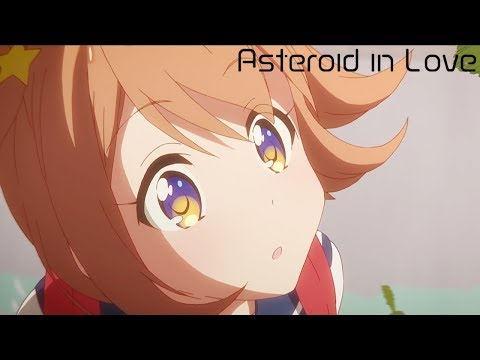
Nakamura 0:30-0:39
- CARMEN 💜Feb 18
He then does a very short cut on Fire Force
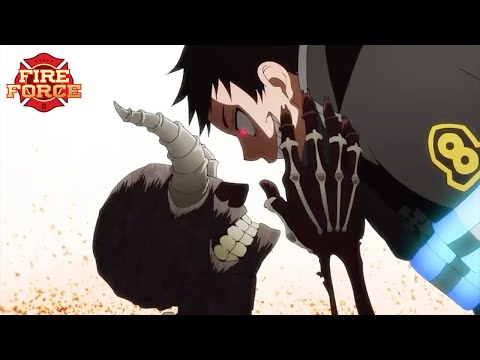
Nakamura at 0:33 with the laughing and torch cut after
- CARMEN 💜Feb 18
Nakamura returned back to AD work the next year on Mushoku Tensei: Jobless Reincarnation

Likely recruited by CD Kazutaka Sugiyama who went way back with Nakamura to Darling in the Franxx back in 2018, Nakamura once again handles a character oriented episode. The episode opens with Nakamura taking up the reins with Rudy taking notes
You can really see Nakamura go through some hand reference footage here. The next couple sparring cuts are brisk and briefOne new aspect of Nakamura’s animation here is white splotch effects after the two blades impact. Not practical by any means but adds a sense of dynamism.
Not too much animation until a later party scene, then the perve scene which unfortunately shows the awful source material issues. The show’s issues go beyond the writing, as this short demon fight by Hayato Kurosaki has an abysmal comp. Nakamura comes back a little bit later doing 1 minute convo scene, the clap at the start is a highlight. - CARMEN 💜Feb 18·edited
The big scene of this episode comes in the scene with Orsted and the dragons. Nakamura had little input on this section with ex Shaft ace Ryo Imamura taking the mantle, specifically by being the AD and LO artist for the dragons. Shoutarou Tamemizu drew the Orsted cuts.
The character cuts are especially strong here, as an atmosphere is emphasized more than anything. This scene is followed by Toshiyuki Sato animating his favorite character on the show……. The final scenes of the episode feature Rudy showing off his new staff with nice liquid animation by Wenhao Zhang(very corrected effects). We then get a quick skirmish between Ghislaine and an enemy done by Production IG veteran Ryota FurukawaThe final energy ball scene is handled by Shouta SannomiyaNakamura only worked on one more episode being Ep 11 where the demon people speak a foreign language.
- CARMEN 💜Feb 18
The rest of 2021 had Nakamura do KA on two shows. The first is Wonder Egg Priority his first time back with Umehara’s production team this time under CloverWorks. Nakamura does a fairly easygoing scene, once more atmospheric instead of animation heavy.

