real journalism here
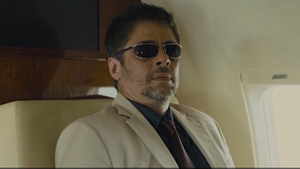
It was the summer of 2000, and Leigh Limon was working late on the set of Southlander, an independent movie her boyfriend, the musician Beck Hansen, had a supporting role in. The film followed the trials of a struggling keyboardist who gets hold of a magical synthesizer, only to lose it and embark on a picaresque journey to get it back. Beck was playing a shabby, malnourished musician living in a shack who acts as an emissary of a weird celebrity cult. The character was called “Bek” — the name Beck had been given at birth — and would be like a version of him that had never gotten famous.
The filmmakers, their friends Ross Harris and Steve Hanft, had hired Leigh to do styling for the picture. Beck had been touring, and she hadn’t seen him in weeks. He was coming back to Los Angeles that night, flying in from Japan. As she was finishing her work, she got a call. “Come home,” Beck said, sounding grave. “I want to talk to you.” Anxious, she told Harris and Hanft she had to go and headed to the Silver Lake home Beck owned and they lived in together, driving the Volvo Beck let her use. It was dark when she reached the low-slung, wide-set house.
A group of strangers were waiting for her in the living room. Some of them were in suits; others were in uniforms she recognized from her limited knowledge of the Church of Scientology: They were from the Sea Org, the church’s elite religious order.
Beck was there, too. He wasn’t looking at her.
One of the strangers, a blonde with an intense face and a dark suit, stepped forward. She informed Leigh she was Beck’s legal representative and would be accompanying them to the dining room for a conversation. Terrified, Leigh followed them. Beck then turned to face her. He seemed changed. In their nine years together, Leigh had often thought of Beck as a kind of charming insectoid alien in a human suit learning Earth customs. Now she saw Anakin Skywalker becoming Darth Vader.“How could you?” Beck said flatly. “How could you do all of that?”
She said she didn’t know what he was talking about. He replied that he was done with her. They were over. And he’d better not see her on the Southlander set.
For the first decade of his career, Beck was a force to be reckoned with in the music industry. He sang songs that didn’t quite make sense in plain English but were somehow urgent and undeniable to those who listened to them. He went platinum multiple times over and sold out arenas around the world. His music was defiant and bombastic, and critics and fans alike regarded him as a kind of pop messiah.
Then, around the turn of the millennium, something changed. No one — not the press, not his fans, not even his friends — knew what had occurred. But it was clear something had. He destroyed the popular official message board where his fans gathered. His interviews grew vague and combative. His old friends didn’t see him anymore, and he abruptly broke up with Leigh. He maintained a regular output of music — in September, he released his first album in seven years, Ride Lonesome — but it turned inward facing and morose, then repetitive.
Over the past four years, I spoke to dozens of people in Beck and Leigh’s circle in the near decade they were together. (Beck did not respond to requests for comment; Leigh declined to be interviewed, but I spoke with people close to her thinking.) The shift in his life and music became most apparent, they told me, when Beck released Sea Change, a heartbreaking and deeply earnest inner chronicle of a breakup. Journalists identified the source of the album as Beck’s falling out with Leigh, and critics revered the LP as proof Beck had grown up as a songwriter, abandoning the old doggerel. For Leigh and others, the album was the story of how they lost Beck.
 ·2 replies
 lacriminal
https://archive.is/20260924165117/https://www.vulture.com/article/beck-scientology-leigh-limon-sea-change.html
real journalism here
It was the summer of 2000, and Leigh Limon was working late on the set of Southlander, an independent movie her boyfriend, the musician Beck Hansen, had a supporting role in. The film followed the trials of a struggling keyboardist who gets hold of a magical synthesizer, only to lose it and embark on a picaresque journey to get it back. Beck was playing a shabby, malnourished musician living in a shack who acts as an emissary of a weird celebrity cult. The character was called “Bek” — the name Beck had been given at birth — and would be like a version of him that had never gotten famous.
The filmmakers, their friends Ross Harris and Steve Hanft, had hired Leigh to do styling for the picture. Beck had been touring, and she hadn’t seen him in weeks. He was coming back to Los Angeles that night, flying in from Japan. As she was finishing her work, she got a call. “Come home,” Beck said, sounding grave. “I want to talk to you.” Anxious, she told Harris and Hanft she had to go and headed to the Silver Lake home Beck owned and they lived in together, driving the Volvo Beck let her use. It was dark when she reached the low-slung, wide-set house.
A group of strangers were waiting for her in the living room. Some of them were in suits; others were in uniforms she recognized from her limited knowledge of the Church of Scientology: They were from the Sea Org, the church’s elite religious order.
Beck was there, too. He wasn’t looking at her.
One of the strangers, a blonde with an intense face and a dark suit, stepped forward. She informed Leigh she was Beck’s legal representative and would be accompanying them to the dining room for a conversation. Terrified, Leigh followed them. Beck then turned to face her. He seemed changed. In their nine years together, Leigh had often thought of Beck as a kind of charming insectoid alien in a human suit learning Earth customs. Now she saw Anakin Skywalker becoming Darth Vader.“How could you?” Beck said flatly. “How could you do all of that?”
She said she didn’t know what he was talking about. He replied that he was done with her. They were over. And he’d better not see her on the Southlander set.
For the first decade of his career, Beck was a force to be reckoned with in the music industry. He sang songs that didn’t quite make sense in plain English but were somehow urgent and undeniable to those who listened to them. He went platinum multiple times over and sold out arenas around the world. His music was defiant and bombastic, and critics and fans alike regarded him as a kind of pop messiah.
Then, around the turn of the millennium, something changed. No one — not the press, not his fans, not even his friends — knew what had occurred. But it was clear something had. He destroyed the popular official message board where his fans gathered. His interviews grew vague and combative. His old friends didn’t see him anymore, and he abruptly broke up with Leigh. He maintained a regular output of music — in September, he released his first album in seven years, Ride Lonesome — but it turned inward facing and morose, then repetitive.
Over the past four years, I spoke to dozens of people in Beck and Leigh’s circle in the near decade they were together. (Beck did not respond to requests for comment; Leigh declined to be interviewed, but I spoke with people close to her thinking.) The shift in his life and music became most apparent, they told me, when Beck released Sea Change, a heartbreaking and deeply earnest inner chronicle of a breakup. Journalists identified the source of the album as Beck’s falling out with Leigh, and critics revered the LP as proof Beck had grown up as a songwriter, abandoning the old doggerel. For Leigh and others, the album was the story of how they lost Beck.
Lmaoo is there any more? I was intrigued and then they provide no context or resolution just "yeah that nigga turned mad weird"
- ·1 replyraps2
Lmaoo is there any more? I was intrigued and then they provide no context or resolution just "yeah that nigga turned mad weird"
did you read the article? I just posted an excerpt
- lacriminal
did you read the article? I just posted an excerpt

 rvi 🌵
rvi 🌵Beck is fire
his last album was dookie
 ·1 reply
Damn they got his ass?
- eversince
Damn they got his ass?
yeah kinda. to hear about the real story about my favorite album from him is kinda making me look at him a lot different.
The whole crew moving dog like Odelay, with no delay (uuuuuuuuuuuuh)
Scientologists need to be shunned
Tom Cruise invented

- ·1 reply
it was implied that he was molested as a young boy by an older woman also in the cult who would sleep in the same bed as him. the ethics officer who tried to bring this up was discredited & dismissed. this scientology s*** be really mangling people's minds. just remember Cedric from At The Drive In
 Tubig 🌊·1 reply
Not beck too
- Tubig
Not beck too
Trust
Trust who?
Watchin' my back even when I'm in the booth
Oh, trust who?
Doin' my thing, but I'm down to come clean, not like you  ·1 replyraps2
Lmaoo is there any more? I was intrigued and then they provide no context or resolution just "yeah that nigga turned mad weird"
The Scientists got to him
 ·2 replieslacriminal
it was implied that he was molested as a young boy by an older woman also in the cult who would sleep in the same bed as him. the ethics officer who tried to bring this up was discredited & dismissed. this scientology s*** be really mangling people's minds. just remember Cedric from At The Drive In
Cedric a scientologist

- CGI Cat
Cedric a scientologist
he WAS a scientologist. his wife getting raped by another scientologist in Danny Masterson helped break the spell, because the scientists sided with him. Ced going dianetics is what caused Mars Volta to break up & his relationship with Omar to be strained. he's fine now, though
- lnstinct
The Scientists got to him
Seems like it after I read the whole article and he shoulda gave her her s*** back but they kinda set it up to where its hard to believe she didn't cheat just off how weird dude was acting in the late 90's lol
- CGI Cat
Cedric a scientologist
not anymore he left that s***
great read @op
i live pretty close to the sci-campus. weird aura